What Is Agentic Computer Use and Which Model Leads It?
In the fast-evolving landscape of artificial intelligence, one phrase is gaining traction among innovators and enterprise adopters alike: agentic computer use. But what exactly does this term mean, which AI model currently leads this shift, and why does it matter for workflows in 2024 and beyond? This article dives into these questions, referencing pioneering companies like Suprmind, and models such as ChatGPT and Claude, while explaining key concepts like Sequential mode, Super Mind mode, and the importance of cross-model orchestration.
Understanding Agentic Computer Use
The term agentic computer use describes a paradigm where AI systems act as autonomous or semi-autonomous agents capable of making decisions, planning actions, and carrying out complex workflows with minimal human intervention. Unlike traditional computer use, which is reactive and manual, agentic use means the AI can initiate tasks, coordinate multi-step reasoning, and interact dynamically with users or environments.
This agentic capability goes beyond simple question-answering or instructions following. Instead, it implies a model’s ability to handle long-horizon reasoning, adapt on-the-fly, and even self-correct during execution—a hallmark that distinguishes leading AI agents from canned chatbot interfaces or static automation scripts.

Why Agentic Computer Use Matters in 2024
The AI model race progresses so rapidly that what leads today can be eclipsed tomorrow. Take, for example, the discussion around GPT-5.5, speculated by experts and developers as the next evolutionary leap in OpenAI's series, expected to push agentic capabilities even further. However, as much as breakthroughs are exciting, they come with risk:
- Best AI changes fast: Firms and users cannot afford long-term dependence on a single "winner" model because the landscape pivots quickly.
- Diverse jobs require diverse models: Different AI models excel at different tasks and benchmarks, creating opportunities for multi-model workflows.
- Reliability is paramount: No model is perfect; layering different AI through orchestration and cross-model correction improves robustness.
Which Models Are Leading Agentic Use Today?
Among the front runners enabling more agentic computer use are:
1. ChatGPT by OpenAI
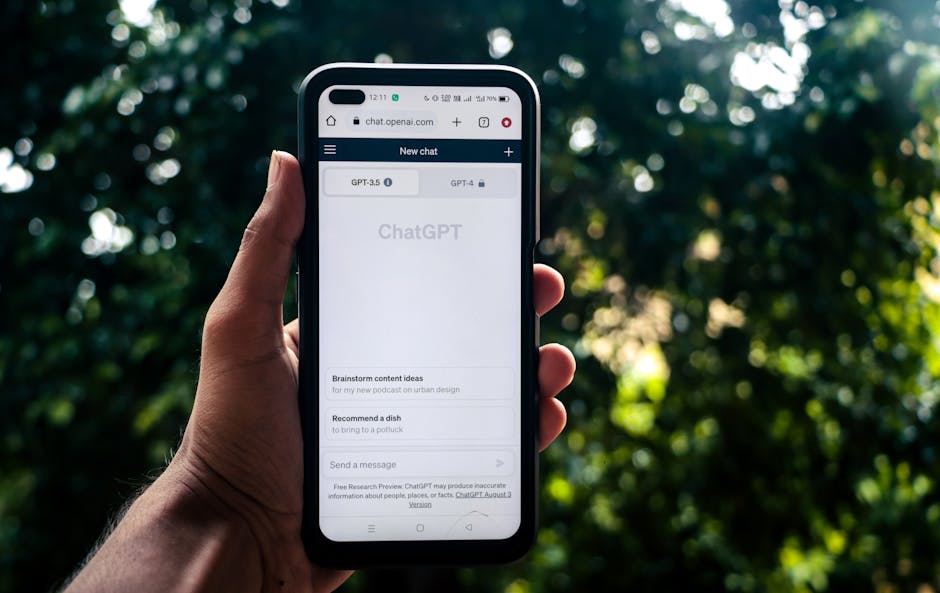
ChatGPT popularized human-like dialog and laid the groundwork for AI agents interacting conversationally. The latest iterations support multiturn reasoning and complex command execution. Its versatility makes it a go-to for many agentic workflows.
2. Claude by Anthropic
Claude shines in safety and interpretability, often preferred for use cases demanding cautious autonomy and clear reasoning. Its thoughtful architecture supports suprmind.ai multi-stage decision-making with higher transparency.
3. Suprmind's Visionary Approach
Suprmind epitomizes the next step beyond aggregation—ushering users into Super Mind mode, which orchestrates multiple AI agents in a collaborative pipeline rather than relying on a single tool. This method aligns well with agentic use cases by breaking complex tasks into chunks handled by specialized sub-agents.
Workflow Architectures: Orchestration vs Aggregation vs Single-Vendor Platforms
When considering agentic computer use, the architecture of how AI models and tools interact profoundly impacts reliability and performance. The three main patterns are:
- Single-vendor platforms: One company’s AI powers the entire workflow. This simplifies integration but risks vendor lock-in and may miss the best tool for each subtask.
- Aggregation: Access to multiple AI services through a unified interface. Aggregators let users switch models but often do not integrate reasoning across them.
- Orchestration: A higher-level controller sequences and coordinates multiple AI models specialized for different parts of the task, applying cross-model correction for enhanced accuracy and robustness.
For example, Suprmind champions orchestration by combining Sequential mode (where agents execute in a pipeline) with Super Mind mode (a meta-agent supervising and dynamically adjusting the workflow). This approach minimizes failure due to hallucinations or reasoning errors inherent to any single AI system.
Cross-Model Correction as a Reliability Layer
One key risk in agentic computer use is hallucination—when AI confidently fabricates believable but false information. Different models have distinct strengths and error profiles. Cross-model correction leverages this diversity by using alternate AI systems to verify and validate outputs.
For instance, a workflow might have:
- ChatGPT generate a draft reasoning chain;
- Claude review and identify inconsistencies;
- Suprmind’s orchestration engine adjust task instructions or request clarifications;
- The entire pipeline run iteratively in Sequential mode until convergence on a reliable answer.
This multi-phase, multi-model feedback loop mimics human editorial processes at scale, amplifying trustworthiness critical for enterprise and mission-critical applications.
Pricing and Accessibility: AI That Works for You
With many options, cost and ease of access become crucial. Notably, users can often kickstart experiments with AI tools like Suprmind’s platform using a 7-day free trial, no credit card required. This lowers the barrier to test complex workflows with real agentic capabilities across models without upfront commitment.
OSWorld 68%: A Benchmark Insight
The recent OSWorld 68% benchmark sheds light on agentic AI performance’s current limits and opportunity spaces. It shows that even top models like ChatGPT and Claude achieve around 68% accuracy on complex orchestrated tasks involving long-horizon planning and cross-referencing. This underlines the premise that no single model wins all benchmarks and thus underscores orchestrated, cross-model agentic use.
Summary: Embrace a Multi-Model, Orchestrated Future
Agentic computer use marks a fundamental shift from passive AI assistance to active AI agency. While models like GPT-5.5 promise groundbreaking advances, savvy businesses and users recognize that:
- Workflows must remain flexible and avoid over-dependence on one “winner” model.
- Different AI excel at distinct tasks and benchmarks; the smartest choice is to orchestrate their strengths.
- Cross-model correction reduces hallucination risk, improving reliability indispensable to real-world adoption.
- Platforms like Suprmind, with their Super Mind and Sequential modes, demonstrate this multi-agent, orchestrated AI future can already begin today.
Begin your own journey with a low-friction 7-day free trial on tools that orchestrate leading AIs like ChatGPT and Claude—a critical step to mastering agentic computer use and staying ahead in the rapidly evolving AI landscape.