Is a Basic Website Enough to Get an App-Like Launch on iPhone Now?
For years, the line between websites and mobile apps on iPhones has been blurry but important. Developers and product teams have wrestled with the nuances of delivering app-like experiences using web technologies, ensuring smooth launch behavior, and navigating the quirks of iOS Safari. Now, with Apple's latest Safari 26 and advances in WebKit, the question arises: Is a basic website enough to get an app-like launch on iPhone?
In this article, we’ll unpack how Safari 26 changes the game for Home Screen web app launches, why there are no installability requirements to get app-like launch behavior, and where manifests and service workers still play crucial roles in building a truly rich Progressive Web App (PWA) experience. Spoiler: browser-first services can now genuinely feel “app-like” without submitting to the App Store or complicated install flows.
The Background: Web Apps on iPhone and the Home Screen Experience
Historically, Apple’s approach to web apps launched from the Home Screen on iOS has had its quirks. Earlier versions of Safari required that websites use a manifest.webmanifest file and meet certain installability criteria to launch in standalone or fullscreen modes when added to the Home Screen. This was coupled with bug-prone behavior and erratic support for service workers, leaving many developers frustrated.
Compared to Android’s Chrome, which aggressively promotes PWAs with splash screens, standalone launches, and offline support, iPhone users often experienced their “web apps” opening inside Safari’s browser UI with the URL bar, tabs, and other UI elements visible. This clashed with user expectations for a native app feel and sometimes discouraged adoption of web-first products.
Safari 26 and the Big Shift: Home Screen Websites Launch as Web Apps By Default
Enter Safari 26, the latest update that introduces a foundational change: websites saved to the iPhone Home Screen now open as standalone web apps by default. This means:
- All Home Screen web apps launch without Safari’s browser UI — no address bar, no tabs, no typical browser chrome
- No special installability or manifest requirements are needed just to get this app-like launch behavior
- Users get a seamless, focused experience that feels like launching a native app
This is a crucial pivot by Apple and WebKit that reflects the platform's acknowledgment of the growing importance of browser-first app experiences without forcing developers to game complex installability criteria just to reach basic launch parity with native apps.
What Does “No Installability Requirements” Really Mean?
Many devs previously had to ensure their web app met Apple’s install criteria — usually involving:
- Providing a complete manifest file with accurate icons and display properties
- Serving pages over HTTPS
- Registering functional service workers
While these are still best practices for a robust PWA, Safari 26 removes these as prerequisites for the app-like launch mode. Any website saved to the Home Screen will open as a full-screen web app by default, whether or not it has a manifest or service workers. This is a significant removal of friction.
Manifests and Service Workers: Still Crucial for Rich Experiences
Before you conclude that you no longer need manifests or service workers, keep in mind that while Safari 26 solves the launch experience, the overall web app manifest safari richness and progressiveness of your app still hinge on these tools.
Feature Impact Without Manifest/Service Worker Benefit of Adding Them Launch Splash Screen No custom splash screen; white screen or blank may appear on launch Customizes launch splash screen for polished UI on startup Icons on Home Screen Default or low-res browser-generated icon Custom icons for branding and better recognition Offline Support No offline capabilities; app fails when offline Enables offline first, caching, and background sync Push Notifications Not supported or very limited Push notifications for user engagementThus, the manifest and service worker are still what transform a basic web app into a fully-fledged PWA: enabling offline usage, background updates, web push, and even UX polish like splash screens and icon customization.
Browser-First Services Can Now Feel App-Like Without the App Store
This shift by Apple and WebKit reflects a broader trend towards prioritizing the browser as a first-class platform for app experiences.
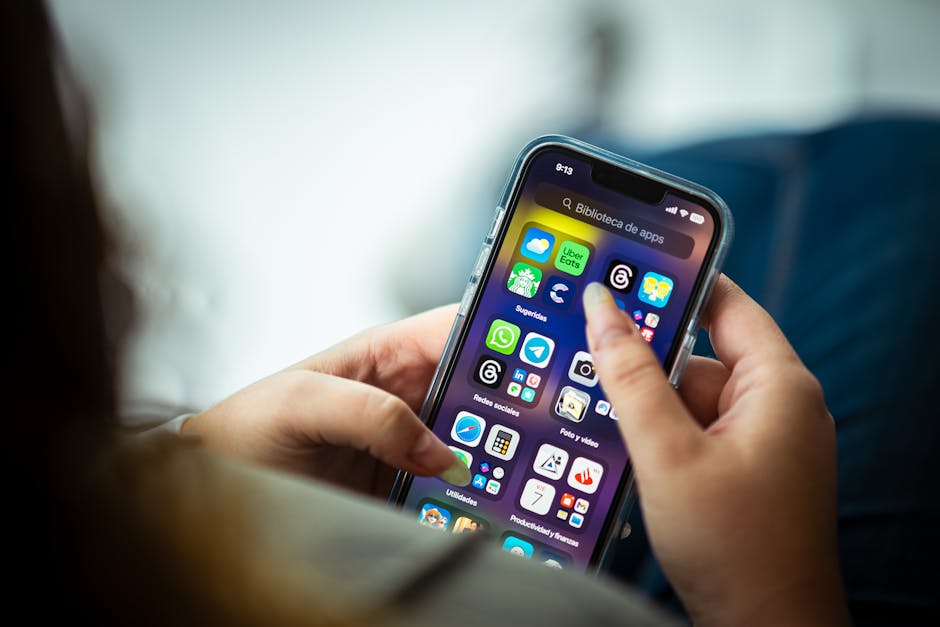
- Users can bookmark and launch apps from Home Screens that behave like native apps without installing from the App Store
- Developers can iterate rapidly on the web without needing app review cycles or marketplace gatekeepers
- Cross-platform compatibility is easier, since the same web app can run on iPhone, iPad, Android, macOS, and Windows
For businesses and services looking to reach iPhone users, this reduces friction both for discovery and usage. It also bypasses Apple’s sometimes convoluted App Store policies and sidesteps limitations or fees associated with native app distribution.
A Practical Example: Launching Your Site as a Web App on iPhone
- Open your website in Safari 26 on an iPhone
- Tap the “Share” button and select “Add to Home Screen”
- Launch the new icon from the Home Screen
- Observe that the web app opens fullscreen — no Safari UI elements
Try this with or without a manifest — you’ll get the same app-like launch, illustrating the removal of installability barriers for this particular behavior. However, if your app supports offline caching and uses a manifest with icons, your experience is richer overall.
iOS Safari and WebKit: Testing and Quirks to Watch
As someone who’s spent 12 years testing web apps on iPhone and iPad, a few caveats are important:
- Icon caching can be inconsistent: Keep a folder of your Home Screen icons and test how the iPhone renders them on different devices and OS versions.
- Service worker support continues evolving: While reliable on modern iOS versions, edge cases still exist, especially around offline fallback strategies.
- Manifest parsing may have quirks: Always verify that your manifest’s display, icons, and start_url behave as expected.
These details matter when aiming for a truly polished app-like experience. Apple’s moves in Safari 26 reduce the need for complex setups simply to get fullscreen launch but do not absolve the developer from investing in manifest and service worker quality for a top-tier experience.
Conclusion: Is a Basic Website Enough?
Thanks to Safari 26 and the ongoing progress of WebKit, a basic website now gains a massive advantage: developers no longer face installability requirements to deliver a true standalone web app launch on iPhone Home Screens. Saving a website to the Home Screen automatically opens it as a web app without Safari UI, making the experience smoother and more “app-like.”
But:
- If your goal is the bare minimum seamless launch, YES, a basic website is now enough.
- For robust offline use, splash screens, push notifications, and polished branding, manifests and service workers still matter.
- Browser-first services on iPhone can finally compete with native apps in launch experience, sidestepping complex App Store installs.
This is a game-changer for web developers and users alike. Apple’s latest Safari iteration signals the web platform’s growing maturity and acknowledges practical realities: apps don’t always need to be native to feel native.
So, if you’re debating whether to invest heavily in native app development or pivot to a PWA, keep this update in mind. Your basic website may just be the app your users need — with no install hoops to jump through.