Email vs Browser Notification for Loyalty Reminders: Which Is Better?
In today’s digital loyalty programs, keeping users engaged and informed is a persistent challenge. Whether it’s a casino platform like BingoPlus or a tech review outlet like TechBullion, the question remains: how should businesses best communicate loyalty reminders to their users? The two frontrunners in this field are email reminders and browser notifications. Each has distinct advantages and pitfalls when it comes to value exchange clarity, loyalty journey stages, and dashboard transparency.
In this article, we'll break down these two channels, include insights based on platforms such as Casino Plus, and share best practices for product UI terms that help streamline user understanding and satisfaction.
Understanding the Loyalty Reminder Landscape
Before diving into communication channels, it’s important to understand what loyalty reminders actually do. Loyalty reminders nudge users to engage with their rewards, points, or benefits — helping reduce attrition and boosting program vitality. However, reminders only matter if users find them clear, timely, and actionable.
Value Exchange Clarity: What’s In It for the User?
Whether through emails or browser notifications, reminders must clearly communicate what users gain. This value exchange is fundamental to building trust; confusing language around rewards, expirations, or progress creates frustration and support tickets.
- Email reminders typically allow longer, more detailed explanations. For instance, Casino Plus’s email notifications might mention “free 100” — offering a bonus or credit — even if no explicit currency amount is cited on the landing page. This can be powerful for setting expectations upfront.
- Browser notifications are short and timely prompts directly on your screen. They excel at quick calls-to-action but often struggle with detailed context. The message needs to be instantly clear: “Your free spins expire in 24 hours,” for example.
Loyalty Journey Stages and Communication Timing
The loyalty journey isn’t linear. It comprises several stages such as awareness, engagement, redemption, and renewal. Messaging should adapt accordingly:
- Awareness: Email newsletters and announcements introduce loyalty benefits in-depth.
- Engagement: Browser notifications can nudge users just in time — like a quick note on BingoPlus about expiring points or upcoming events.
- Redemption: Emails can send detailed instructions or confirmation of redeemed rewards.
- Renewal: Browser notifications provide timely reminders to start a new redemption cycle.
Both channels complement each other if used thoughtfully in sync with these lifecycle stages.
Email Reminders: The Classic Pillar
Pros of Email Reminders
- Rich Content: Emails support images, detailed copy, links, and terms & conditions—enhancing transparency.
- User Control: Users expect emails and can organize, flag, or search them for future reference, providing psychological ownership.
- Historical Record: Emails offer an archive for users and support teams to verify loyalty activity or disputes.
Cons of Email Reminders
- Low Immediate Attention: Emails often get buried in crowded inboxes — users may ignore loyalty reminders.
- Possible Delay: Schedulers and spam filters can delay delivery.
- Risk of Overcommunication: Sending too many emails may trigger user fatigue and unsubscribes.
For example, Casino Plus emails incorporate “free 100” offers, which intrigue users but need clear punctuation and consistent terminology (reward vs credit vs bonus) in UI and messaging to avoid confusion.
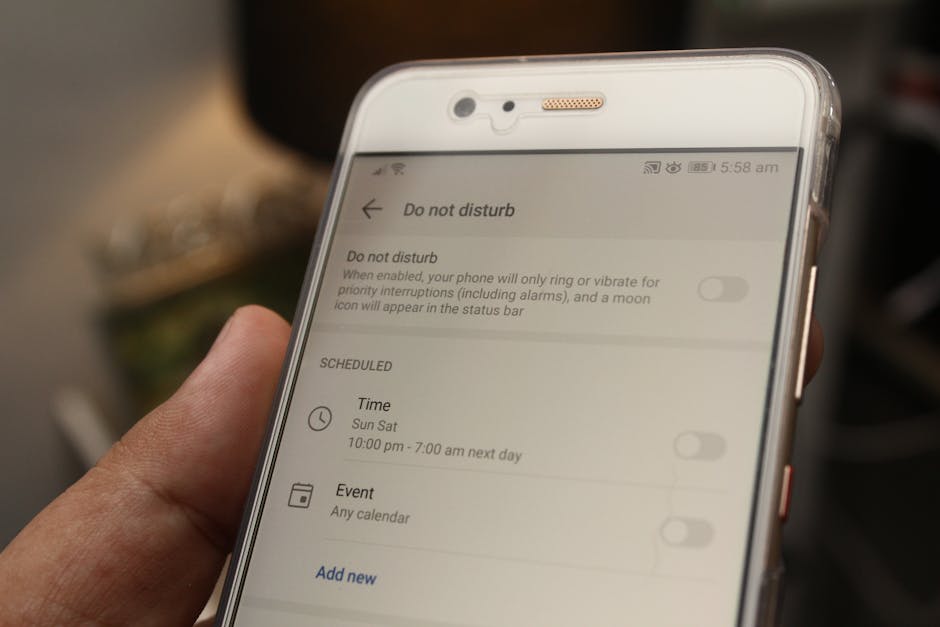
Browser Notifications: Instant and Engaging
Pros of Browser Notifications
- High Visibility: Pop-ups appear instantly while users are active, creating better recall.
- Action-Oriented: Quick buttons or links can direct users to redeem loyalty points or claim bonuses immediately.
- Simpler Language: They force concise, jargon-free copy making the value instantly clear.
Cons of Browser Notifications
- Requires Permission: Users must opt-in, and some ignore or block notifications.
- Limited Detail: The small space restricts context; users may need to visit dashboards to understand the full offer.
- Potential Disruption: Poorly timed notifications annoy users, creating opt-outs or negative sentiment.
BingoPlus illustrates browser notifications best practices with precise, timely loyalty app onboarding UX messages about expiring loyalty credits without overwhelming the user.
Dashboard Transparency and Terms as Product UI
Regardless of channel, dashboards play a critical role in loyalty reminders. They are the single source of truth where users verify their points, progress, and redemption options. Transparency here builds trust and reduces “missing points” support tickets — one of my biggest pet peeves as a former support lead.
Consistent, simple terms-as-product-UI are a must. Beware:
- Switching between labels like “reward,” “benefit,” and “credit” can confuse users.
- “Pending” vs “processing” status on points can cause support queries if they aren’t clearly defined.
- Expiration dates and eligibility conditions should be upfront within the dashboard, not buried in lengthy terms and conditions.
Both email and browser notifications should link back to these dashboards, so users can self-serve and feel in control of their loyalty journey.
User Preference: What Do Users Actually Want?
User preferences vary, so providing options and respecting the user’s chosen channel is best practice. From multiple case studies and user feedback:
Channel User Preference Factors Best Use Case Email Reminders Users who prefer detailed info, archive messages, and less intrusive contact Monthly loyalty summaries, new offer announcements, detailed instructions Browser Notifications Users who value immediacy, short prompts, and on-site nudges Time-sensitive expirations, last-minute redemption alerts, event remindersBrands like TechBullion have noted that hybrid messaging strategies leveraging both channels yield the highest engagement rates and customer satisfaction.
Recommendations for Loyalty Platforms
Based on the above, here are actionable recommendations:
- Clarify the value exchange: Use straightforward language and refer users to transparent dashboards with consistent terms.
- Match message content to journey stage: Use emails for detailed, planned communication and browser notifications for real-time nudges.
- Respect user preferences: Let users opt in or out of each channel easily through preference centers.
- Keep UI terms consistent: Align terminology across emails, notifications, and dashboards to reduce confusion.
- Avoid false urgency: Only send real-expiry reminders with clear timing info to build trust.
Conclusion
Both email reminders and browser notifications have vital but distinct roles in loyalty programs. For platforms such as BingoPlus and Casino Plus, leveraging both smartly — with a focus on value clarity, user preference, and dashboard transparency — creates a frictionless loyalty journey that users appreciate. The key? Clear language, consistent terms, and strategic messaging that respects where users are in their loyalty lifecycle.

Whether a user prefers a detailed email digest or a quick on-site ping, well-designed loyalty reminders drive engagement and build lasting brand loyalty.