Are the 27% Microsoft and 26% Foundation Numbers Still Accurate?
As of the October 28, 2025 snapshot, much attention has been paid to the alleged ownership stakes in OpenAI, notably the widely cited figures that Microsoft owns 27% and the OpenAI Foundation holds 26%. But are these numbers still accurate today, especially considering the post March 2026 dilution events and the complex structure underpinning OpenAI's ecosystem? This comprehensive review dives into the nuances of OpenAI’s ownership — by which we mean operator, legal structure, economic stake, and governance control — while also clarifying the distinctions between OpenAI’s entities, including OpenAI, OpenAI Group PBC, and OpenAI Foundation. Hop over to this website We’ll also examine the implications of OpenAI’s publicly available legal materials like the OpenAI Terms of Use (European) and the OpenAI Rest-of-World Terms of Use.
ChatGPT Is an OpenAI Product, Not a Separate Company
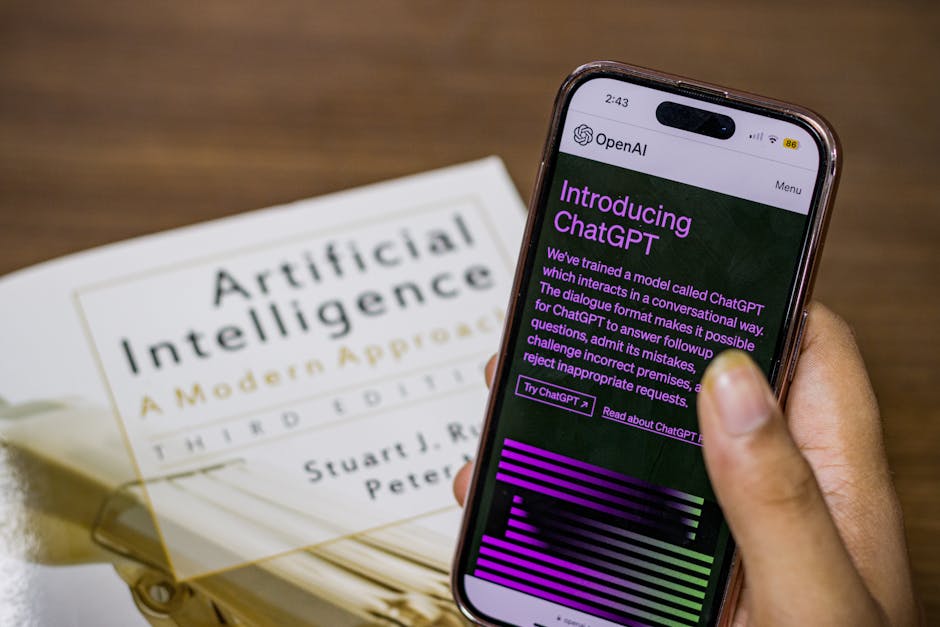
Before delving into ownership stakes, it is crucial to understand what ChatGPT is. ChatGPT is not an independent company or a subsidiary—it is a product developed and operated by OpenAI. who owns chatgpt Let me tell you about a situation I encountered learned this lesson the hard way.. More specifically, ChatGPT is a flagship AI-driven conversational interface offered by OpenAI to users worldwide. This is important because when discussing "ownership numbers," we are in fact discussing OpenAI’s corporate and governance structures, not a standalone ChatGPT asset.
OpenAI operates through a unique hybrid model composed of several related but legally distinct entities:
- OpenAI Group PBC: The parent public benefit corporation entity, responsible for the overarching mission and public utility.
- OpenAI Foundation: A nonprofit foundation holding special governance rights designed to safeguard OpenAI’s mission over the long term.
- OpenAI LP: The limited partnership structure that houses for-profit investments, including equity stakes held by investors like Microsoft.
This nuanced structure complicates simplistic ownership claims and necessitates understanding four different ownership perspectives.
Four Meanings of "Ownership"
The phrase "Microsoft owns 27%" or "OpenAI Foundation owns 26%" is often cited but rarely qualified. To bring clarity, consider these four distinct facets of ownership:
- Operator: The entity or entities that operate the technology or business. In OpenAI’s case, the OpenAI Group PBC and OpenAI LP work as operator entities.
- Legal Structure: The corporate or legal entity holding title to assets and contracts. ChatGPT is an OpenAI product; it does not represent a separate legal structure.
- Economic Stake: The ownership of equity representing profits, losses, and financial benefits. This is what investors—such as Microsoft—seek when acquiring a percentage.
- Governance Control: The right to influence decisions, including board appointments, mission oversight, and long-term strategy. This is where the OpenAI Foundation plays a unique role due to its special governance rights.
Understanding these four ownership facets is essential when reviewing quoted percentage stakes. Let's unpack each in relation to OpenAI’s entities and key players.
Microsoft's 27% Economic Stake: The Post March 2026 Dilution Question
Microsoft’s investment journey with OpenAI began with a $1 billion investment made in 2019, complemented by additional commitments for infrastructure via Azure and further investments reportedly valued at around $10 billion in total. These investments granted Microsoft a significant equity stake, frequently summarized as "27% ownership." However, several important caveats apply:
- The 27% figure reflects economic ownership at a particular point in time, generally corresponding to the October 28, 2025 snapshot.
- OpenAI’s financial structure includes dilution mechanisms for further capital raises, employee option pools, and new classes of shares slated for release starting post-March 2026.
- Hence, the 27% number is not static: Microsoft's percentage is likely to decrease as new funding rounds conclude and new shares are issued.
- Microsoft’s indirect economic exposure can also fluctuate based on the complex accounting of AI compute contracts and revenue-sharing arrangements.
So while the 27% figure remains a useful reference, it's not an immutable metric. Investors and analysts should be cautious when treating it as a definitive indicator of current ownership.
The OpenAI Foundation's 26%: Governance Control Over Economic Gains?
The OpenAI Foundation, a nonprofit entity independent from direct economic gains, holds a special and sometimes misunderstood position. In contrast to Microsoft’s economic stake, the Foundation's influence mainly derives from its:
- Legal status: As a nonprofit public benefit corporation, the Foundation is exempt from economic profit objectives.
- Governance control: The Foundation exercises control over the OpenAI board through special voting rights, effectively controlling the mission-driven decision-making of the OpenAI Group PBC and LP.
- Ownership in a governance sense: Although it holds no direct economic stake, its combination of rights grants it significant power over OpenAI’s strategic direction, including how profits and investments are deployed.
The often-cited "26% ownership" of the OpenAI Foundation typically conflates its governance intensity with equity. It does not receive dividends or financial payouts, but it holds veto rights and special voting privileges designed to lock in OpenAI’s mission as a responsible and broadly beneficial AI developer.
Board Control Via Special Rights
The OpenAI Foundation governs the OpenAI board through a combination of:
- Appointment rights to a majority of board seats;
- Veto rights on strategic decisions that may alter the company’s public benefit mission;
- Influence in hiring senior leadership, including the CEO.
This special governance control acts as a structural “mission lock” that supersedes normal shareholder interests typical of purely for-profit companies.
Why There Is No Current Public Cap Table
OpenAI has never publicly released a fully detailed cap table. The company's legal and financial disclosures, especially those around shareholder equity, have been partial and staggered. Particularly:. But here's the catch:
- No definitive public cap table exists that reconciles all equity classes, preferred stock, convertible debt, and option pools as of 2025 or beyond.
- Investor disclosures, press releases, and regulatory filings often aggregate ownership percentages but don't provide granular ownership shares by stakeholder.
- The complex legal structure involving PBCs, nonprofits, and LPs further muddies transparency.
You know what's funny? consequently, outside of periodic snapshots like those around october 28, 2025, stakeholders rely on secondary analysis and aggregated figures rather than primary, precise ownership documents.
How Do the OpenAI Terms of Use Reflect Ownership and Control?
Examining OpenAI's European Terms of Use and Rest-of-World Terms of Use highlights clear distinctions between ownership and use rights:
- All ChatGPT users access the service based on licensing terms granted by OpenAI entities, emphasizing operator and legal control over the product.
- Neither Microsoft's nor the OpenAI Foundation's ownership affects end-users’ rights; users are licensees, not owners.
- Terms explicitly make clear that OpenAI retains intellectual property rights, reinforcing its role as operator and legal titleholder.
These legal documents implicitly affirm that ownership and control remain with OpenAI’s superior governance and investor group, distinct from the user base or the ChatGPT product itself.
Summary Table of Stakeholder Roles and Ownership Metrics
Stakeholder Ownership Type Percentage as of Oct 28, 2025 Role and Rights Post March 2026 Status Microsoft Economic Stake ~27% Investor with equity stake, profit-sharing, and operational partnership; Likely Diluted (exact %) due to new share classes/emissions OpenAI Foundation Governance Control ~26% (governance, no economic share) Nonprofit mission guardian with special voting and veto rights; Maintains governance control, unaffected by dilution Other Investors & Employees Economic & Option Pool 47% (aggregated) Minority equity holders and employee stock options Subject to further dilution risksFinal Thoughts
The frequently cited numbers of “27% Microsoft ownership” and “26% OpenAI Foundation ownership” were roughly accurate at the October 28, 2025 snapshot but are often misunderstood because they conflate different types of ownership. Microsoft holds an economic stake that is subject to dilution, especially post March 2026, while the OpenAI Foundation holds powerful governance rights but no economic equity.
No definitive public cap table is currently available to track changes transparently, and anyone referencing ownership numbers must be mindful of the nuances around:
- The difference between economic and governance ownership;
- The evolving legal structure and forthcoming dilution events;
- The fact that ChatGPT remains a product of OpenAI, not a separate entity.
For users, employees, and investors tuning into OpenAI’s evolving ecosystem, the lesson is to be careful when interpreting headline ownership numbers without context and to treat any static percentages as time-bound rather than permanent.
As OpenAI continues to innovate and expand, clarity on ownership and control may improve with further disclosures. Until then, the 27% and 26% figures remain unofficial benchmarks rich in nuance and caveats.
```